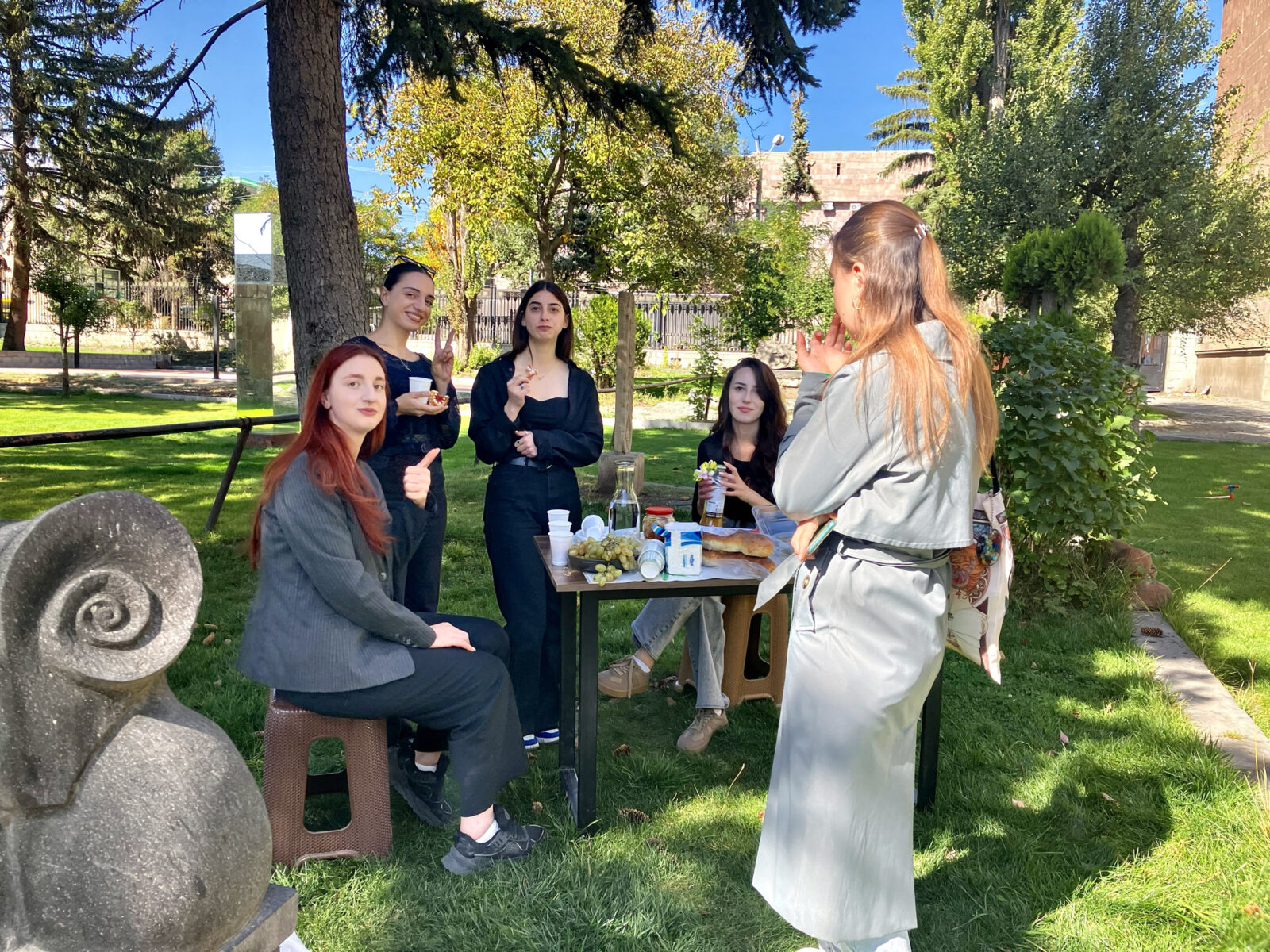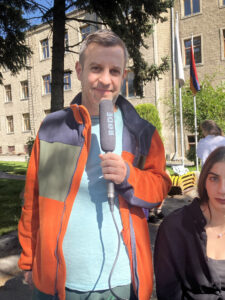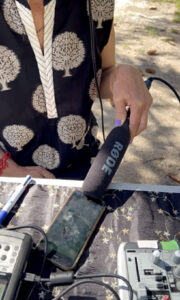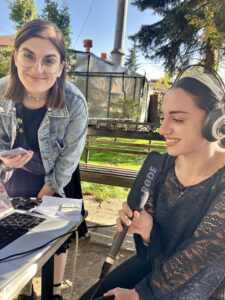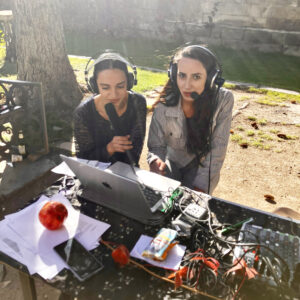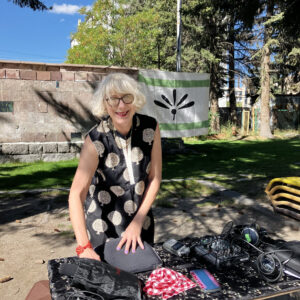
Datscha Radio broadcast from the town of Zao in Miyagi Prefecture on December 26, 2025
Our show was relaxed, beginning with the Zao Radio jingle spoken by Aoki-san, followed by Tiger Stangl’s short, iconic trash piece. The cassette recorder was also turned on and we listened to a poem about the place where we were staying: Togatta.
The programme provided insights into artistic collaborations and the aims of the residency, and touched on research into the aesthetics of waste. We exchanged ideas with Miki on a wide range of topics, from the bathing culture of onsen, to the use of “rotten” fruit, to the reasons why we pick up a piece of rubbish from the street, to the question of why we drop or lose things in the first place.
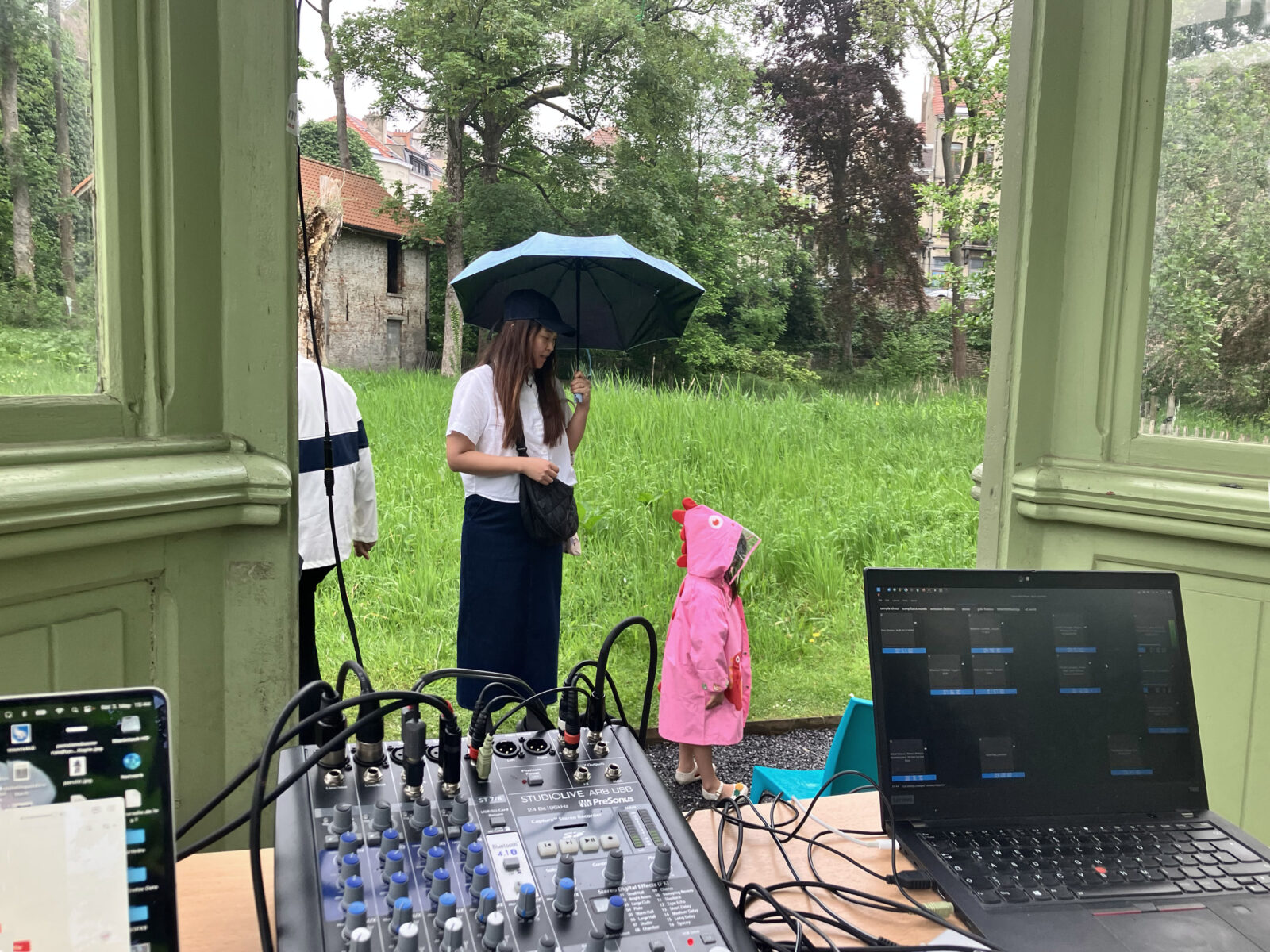
For Zao, we also activated a small transmitter to broadcast on 96.0 FM within the vicinity of the residence studio. Unfortunately, atmospheric conditions did not prove favourable for setting up the radio receiver directly in the vestibule of the onsen. Instead, we used the local bus stop’s exhibition space to make the program heard by the town’s people.
Participants and Presences
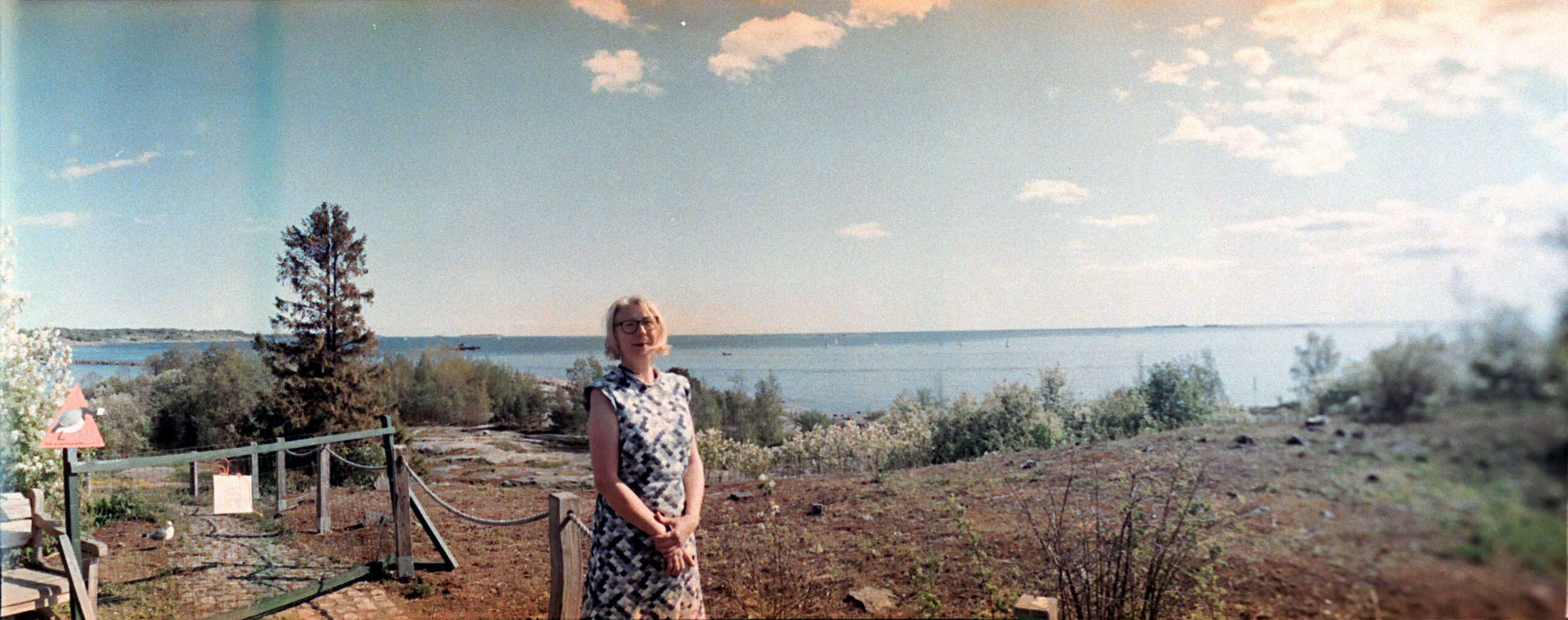
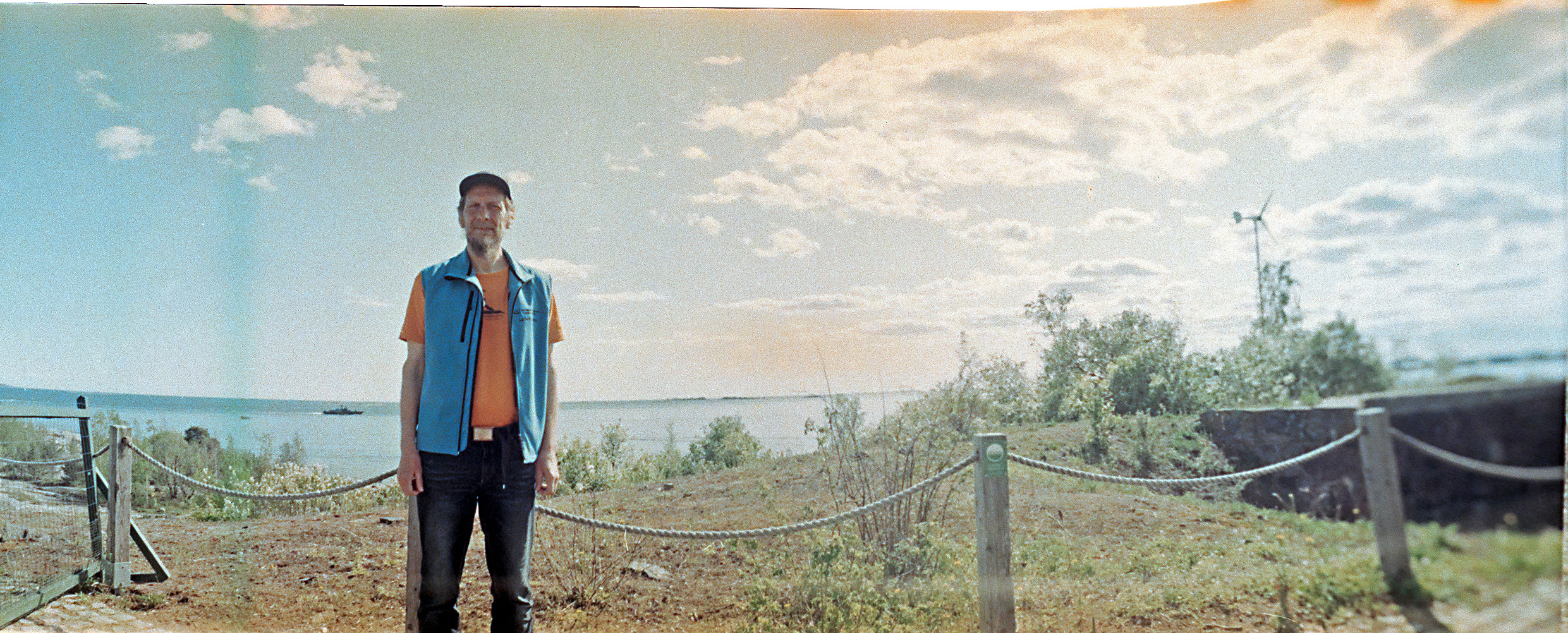
Massa-san is the director of three artist-in-residence spaces in Togatta, Shiroishi, and Fukushima. He has been helping Datscha Radio with a great many things: Tech, new acquaintances, translations, and we were doing the radio show together. He is also the owner of a small tape label and brought one of his guitars alongL. like our guest Miki-san, he supported our broadcast musically.
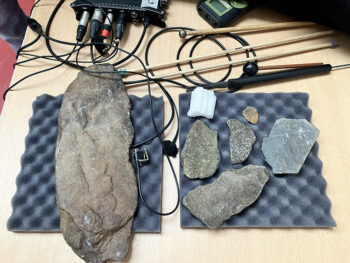
Aoki-san is a textile artist from Sendai, presently one of the artists in residence at Togatta. Because he had to see his family on the radio day, we had a recorded chat the day before. Aoki-san brought two personal pieces of “trash” along, both relating to his art practice. These were a mosquito-net-like sieve for making paper and his used filters from coffee-making.
Miki-san is a singer-songwriter from Zao. She performed two songs from her repertoire, joined a guitar improvisation by Massa, and brought, next to her beautiful voice, two interesting items along: a brush from her cleaning days as an attendant at a local onsen, and a Chinese quince.
Not all pieces from the Open Call could be played, and only very few of the research interviews could be included. One of them was a conversation between Kobe-based artist Daniel Miller and Ikura-san, the owner of the Bossa bar in Kobe.
In order to include those tracks, Datscha Radio’s live program switched seamlessly to the 90 min “Talk Space” and from there to the “Night Loop” (until 8 in the morning).
Open Call Tracks and Pre-Recordings
“Togatta” – A poem (Togatta Tapes)
Waste Chant, Laublied, In the Soil – Tiger Stangl
A Walk to the Recycling Bins – Leonie Roessler and Margherita Brillada
Waste in Art – Conversation with Aoki (EN/JAP)
Müllpresse – Hanna Hjort
Bossa Bar Conversation – Daniel Miller, Ikura-San, Gabi Schaffner (EN/JAP)
Evasive Space – Meta Golova
“Talk Space” contained all material already listed on the Contributions Page;the “Night Loops” were supplemented by the additional pieces of Albert Negredo, Leonie Roessler and Margharita Brillada, and Sebastiane Hegarty.
Thanks
Datscha Radio hereby expresses its greatest thanks to Massa-san for inviting Ms Schaffner over to Zao and supporting the project.
The artist and her project are much obliged to the Foundation Kunstfonds Bonn and the Federal Government Commissioner for Culture and Media who facilitated this journey to Japan by their grant.
Rebroadcast Of All Japan Contents in 2026
Scheduled for some time in March 2026. Will be updated!
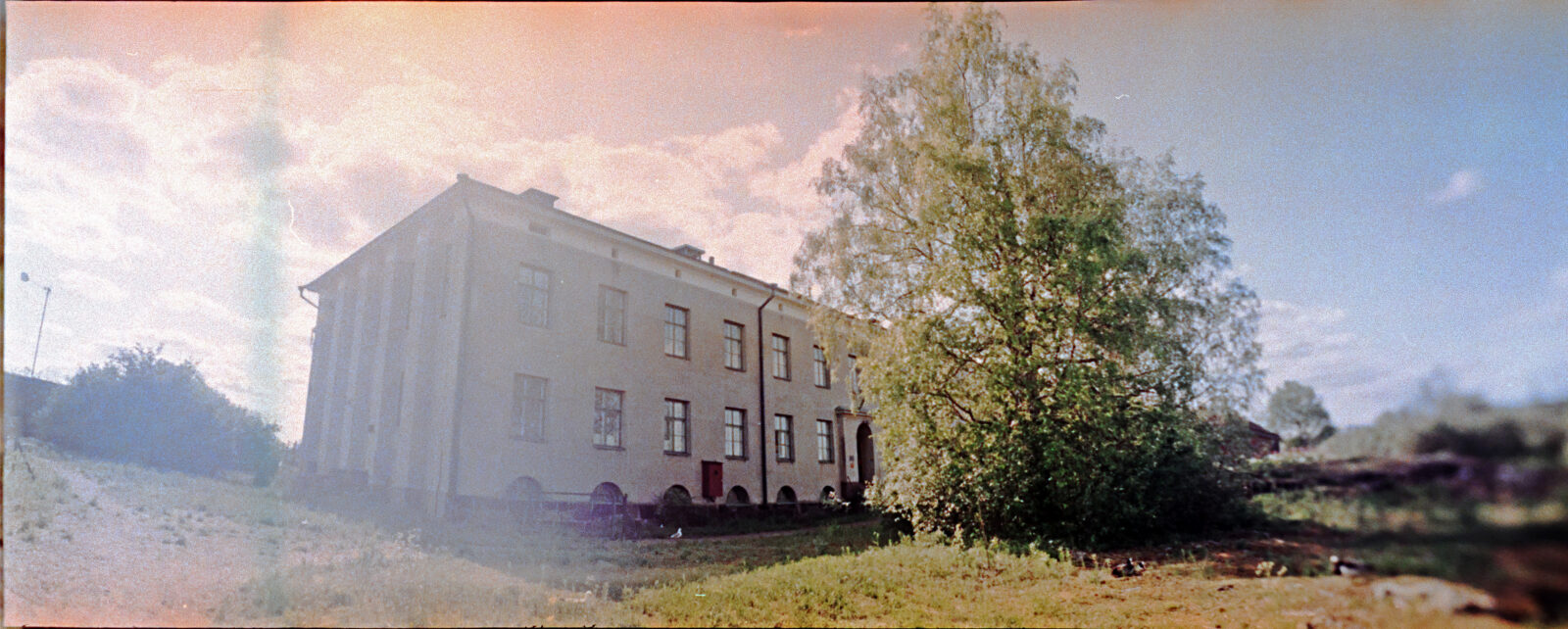
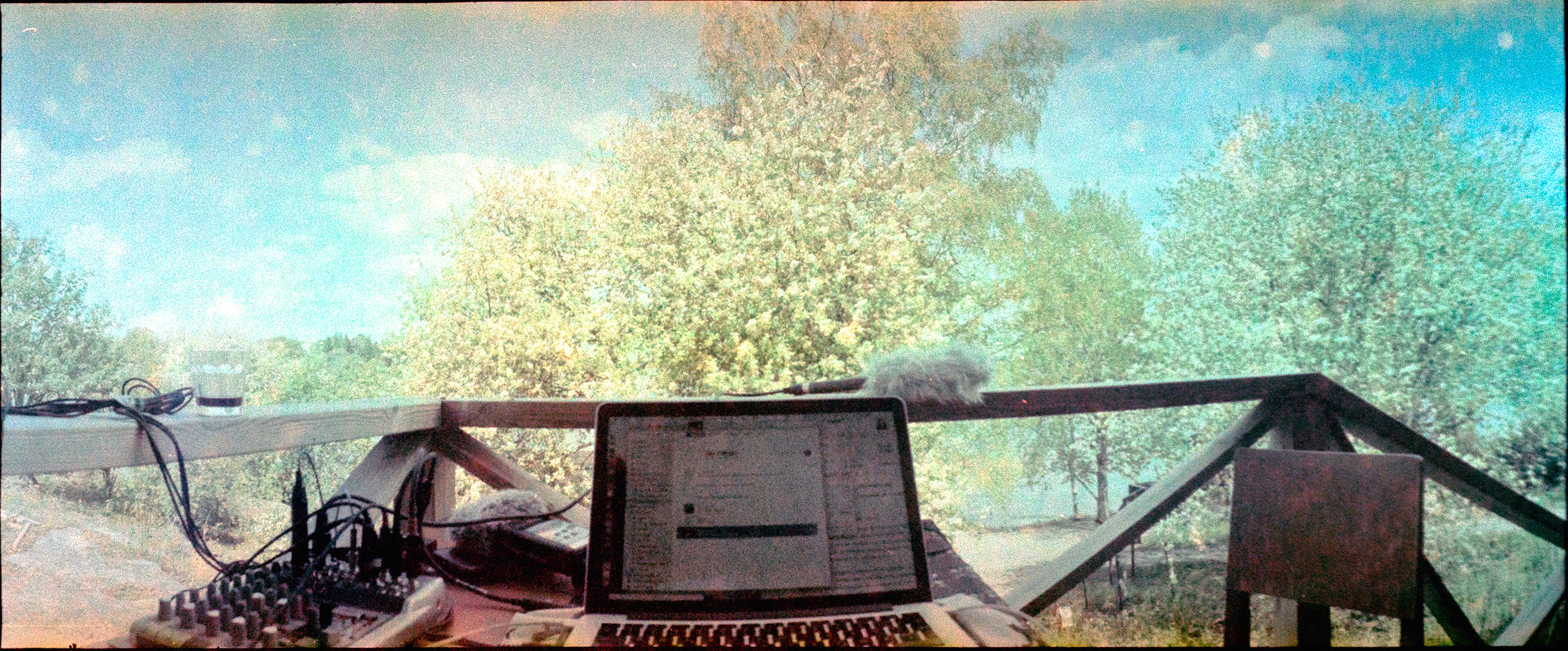
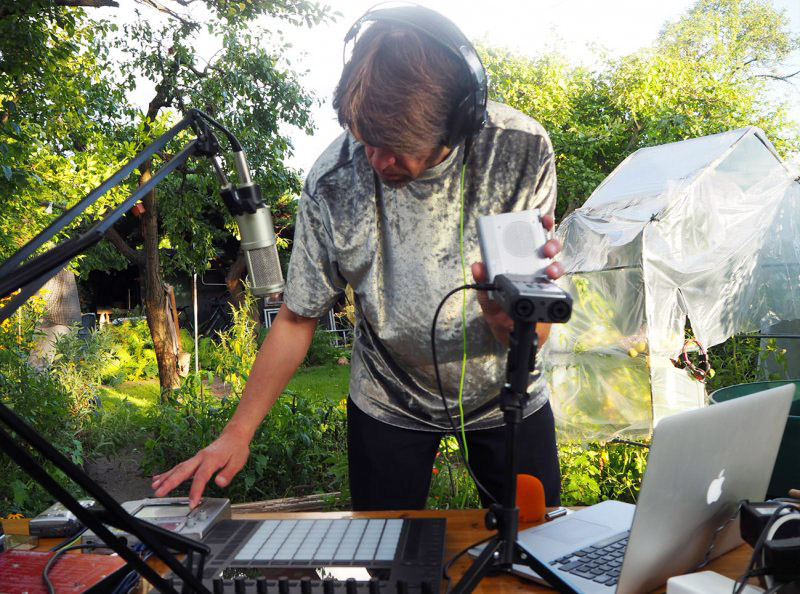
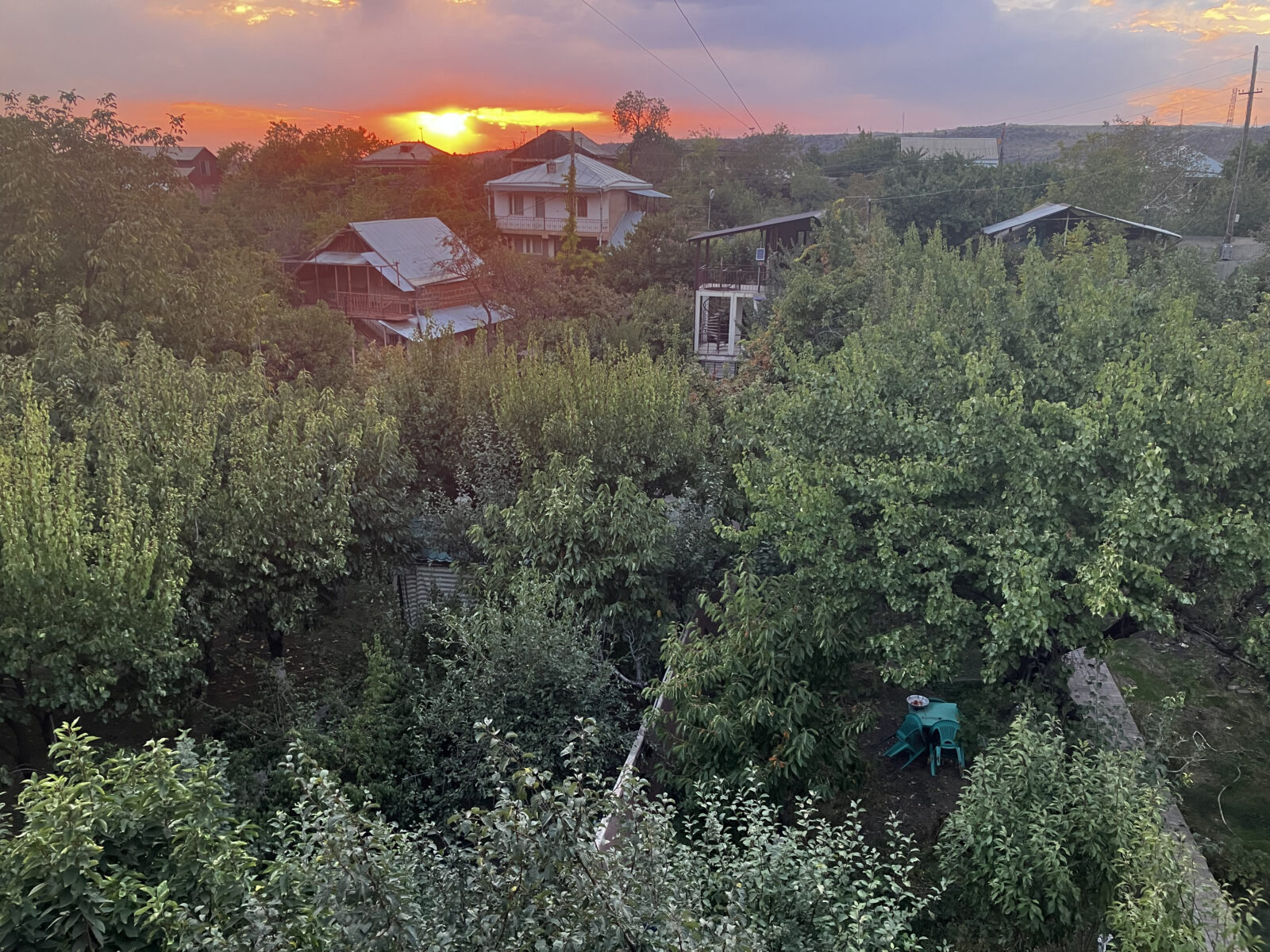
As usual, our program follows the flow of events during the show; there is a rough schedule, though. The studio is located in the Togatta residency in Zao (pict above). The weather today: Heavy snow and cold…
Waste Culture #2 again addresses the theme of waste in every-day life, environmentally, and musically.
I already want to express my thanks to Massa-san, head of the Togatta and Shiroishi residencies, for supporting me with translations in English and Japanese.
Also great thanks to Aoki-san who spoke the text for the jingle. Click on the “Announcement Zao” button and listen.
Live-Guests to date:
Massa-san – head of the artist residencies in Togatta and Shiroichi
Old and new open call artists will be introduced and played. Among them Leonie Roessler and Margherita Brillada; Sebastiane Hegarty; Albert Negredo; the artist duo Meta Golova, Tiger Stangl; Dong Zhou and quite some more. Please care to look into theartist page to learn more about these contributors.
Schedule // Contents
Introductions, Soundtracks
Talk with Massa + object +or live guitar
Artist Aoki Talk
Sound pieces about harvest festival + arriving guests …
Option: Interview 1 IGES (Institute for Global Environmental Strategies)
Guest talk with Miki
Live songs/music
Sound pieces/Field recordings
Option interview 2 IGES (Institute for Global Environmental Strategies)
Unpacking tapes/tape music
Live guitar/other musicians/guests when present
Fieldrecording/ further guests when present
Option: Are there ghosts in the trash? (in Japanese, talk from a bar in Kobe)
Compositions from the Open Call
More live guitar/singing
Saying goodbye
How to listen: Onsen and worldwide
Worldwide: www. datscharadio.de press radio player button on the right side of the website
Locally: We are broadcasting on micro-range FM broadcast within the close vicinity of the Togatta residence studio in 90.0 FM. A small receiver will be set up in the vestibule of the Togatta Onsen, where you can listen to us.You can also bring your own radio and tune it to 90.0 FM and listen. Or come in and join!
Still more radio: “TalkSpace” and “NightLoop”
Following the live programme, “TalkSpace” offers a selections of interviews and conversations with Bianca Fürst/Sapporo, IGES/Tokio, Mika/Kobe, Michael/Yamagata: 21:30-22:00 JST (14:30-16:00 CET).
The “Nightloop” assembles creations sent to Datscha Radio’s Open Call. All info on theartist page.
It is confirmed: Datscha Radio will broadcast on Dec 26 from 6-8 pm (JST –> 10-12 am CET) from the onsen (bathhouse) town of Zao. Live! So this is northern Japan, with Fukushima some 50 km south.
Our theme is waste, again. There is so much of it really. Currently the program is in the making, therefore I save the details for later. For those living in Europe it is again a morning programme, yet, from 10 am on, it should be possible to tune in :)
Datscha Radio will present live music and live talks, excerpts from the open call and selected interviews from its research into waste management in Japan. This time, we will also broadcast on micro-FM: The famous public onsen of Togatta is located just across the street, and a radio will be put up…. not in the bath itself, but in its vestibule.
I want to express my greatest thanks to Massa, head of the AIR 44 residency Togatta for unexpectedly hosting me and assisting with tech. And to Aoki, a textile artist from Sendai for lending his voice to the announcement in Japanese.
View of Siki Soundgarden in Kobe. Featured artwork by Ruri Takahashi
Even though it was short notice, the submissions to the open call were once again sensational!
Here is the information about the pieces and the artists in alphabetical order and as provided in the pdfs. On 26 December, Datscha Radio will be back on air, this time from Zao, Miyagi Prefecture. With new guests and contributions, and also with an 8-hour “night loop”.
New to Waste Culture #2 are: Albert Negredo, Leonie Roessler, Margherita Brillada and Sebastiane Hegarty.
Also new:
Talk Space 21:30-22:00 JST (14:30-16:00 CEST)
Talk Space is dedicated to conversations held here in Japan about the environment, waste and sustainability strategies.
I met Michael at a harvest festival in xxx, which was all about the traditional production of mochi (rice) porridge. Traditional farming is increasingly attracting people from the cities who are interested in a “close to nature” lifestyle… Massa-san, who runs the artist residencies in Togatta and Shiroichi, explains what is going on around the huge pot.
Bianca Fürst has been living and working in Japan for 30 years and is involved in urban planning and environmental activities. We talked about the introduction of reusable kitchen utensils for public events and teaching methods for preserving food, among other things. The idea of disaster-related emergencies, where people are dependent on supplies and a certain independence from electricity and other amenities, also came up in the short conversation with Mako from the Farmstand cooperative. Neighbourly help, sharing leftover food and preparing for possible emergencies are also important to her. Afterwards, she explains a range of delicious dishes to me.
At IGES, the Institute for Global Environmental Strategies, I conducted an interview in Tokyo with Ms Miwa Tatsuno(Sustainable Consumption and Production – Programme Coordinator) and Ms Alice Yamabe (Sustainable Consumption and Production – Policy Researcher). IGES is a regional research and policy-related network in the Asia-Pacific region. It was founded shortly after the 1992 Earth Summit with the support of the Japanese government and Kanagawa Prefecture. The topics of our conversation – beginning with a brief overview of the organisation’s activities – ranged from the current plastic problem to waste incineration and municipal strategies to insights into the differences between protest cultures in Japan and Europe.
OPEN CALL ARTISTS ::: Waste Culture #1 and #2
Albert Negredo: He’s Got It (Ron Cola Hadrolla) 4:51 min / Waste Culture #2 A sound piece, based on recordings from the 1950s, when vinyl was still a novelty, through sound recycling, where He’s Got It is reproduced, now in digital, without physical format, to honour the quintessential drink of Cubans, originating during the Hispanic-American War. In turn, we associate Hadrolla with deceit, falsehood and lies, typical of not recognising alcoholism as a disease.
Dong Zhou: Put You in The Trash 2:54 min (To Love Is To) Put You in Trash describes an emotional impulse you would have when you drag a file to the trash can. It’s inspired by the waste culture: how we get rid of things without hesitating or remorse, because we know that our investment will be worthless anyway in the end. Dong Zhou is a composer-performer based in Hamburg. Under the name Congee Rats, Zhou produces and performs music from experimental electronic to alternative punk.
Hannah Hjort: Müllpresse 3:32 min This is a recording of an automatic compression process of a garbage press and part of an animated short film. Mixed by Gülberk Elif Bosgelmez, mastered by Konstantin Frey and supported by Eeva Ojanperä.
Leonie Roessler and Margherita Brillada: At Recyling 2:12 min
“At Recycling” (Info follows)
Leonie Roessler und Margherita Brillada: info follows
Johannes Christopher Gérard: K33 2:56 min
The work is based on personal experiences traversing the paths and rooms filled with trash and debris in a former conservatory building in its final days before demolition. The work seeks a dialogue not only with the physical waste, but also with the spiritual debris of abandoned ideas, thoughts, and feelings.
Johannes Christopher Gérard is a Dutch-German artist working in the field of interdisciplinary and multimedia art. Despite severe hearing problems, he began working and experimenting with sound art in 2022.
Meta Golova (Lena Kilina&Carlos Issa): Evasive Space 8:43 min
Evasive Space is a performance mantra (sound art and spoken word). It is about a new experience of urban occupation in São Paulo-Parque Minhocao and evokes a strong sense of belonging. Hyper-urbanism and hyper-pollution feel like theater and taste like a disease.
Waste is the texture of hyper-urban life. Together, they reveal the city’s internal metabolism — the part no one wants to see. The city as an organism that produces more residue than meaning.
Notorische Ruhestörung: “Live at FFUS” 9:26 min
“Live at FFUS” by Notorische Ruhestörung relates to the topic of waste as the instruments used to play it have been DIY built from scrap parts from old devices. Waste does not necessarily need to go to a landfill – I believe in the power of recycling!
Notorische Ruhestörung is an artist, organizer & activist mainly focusing on sound and music, but also active in other fields such as video, performance, zines and painting, DIY noisy electronics & improvisation.
Olena Lazutkina: 3 Minutes before New Life 4:21 min // Waste Culture #1 only
This piece is a 4-minute immersive audio installation built around one existential question: what do we truly keep, and what do we leave behind when everything collapses in one second? The listener hears an ordinary morning, interrupted by an explosion, and then has three minutes to decide which items from their life remain meaningful enough to take into the unknown.The work reflects on urgency, survival, memory, and the shifting value of objects—what becomes essential, what becomes “waste”, and how quickly our relationship with material things transforms in crisis.
My name is Olena Lazutkina, a Ukrainian queer artist currently based in Berlin.
Pjotr Safnonov: Pocket 2:04 min
Piece: The phone accidentally started recording in my pocket and became a container for sonic waste; in this recording, raw noise gradually forms a shifting envelope of the space
Person: I identify as a field philosopher, working outside institutional and academic constraints to cultivate collective, non-hierarchical concept co-creation grounded in everyday interactions with people and other beings.
Life is a beautiful glitch. A rhythmic essay on our flaws and imperfections. An infinite list of small mistakes and forgetfulness that swirl and thicken in the mind of the poet, a sound artist.
read more
Beckettian anti-resolutions that emerge like a litany during a brief meditation on everyday life. The author’s poem, presented by means of a superimposition of vocal lines made up of loops with different psychological framings of the text. Simultaneities. The irregularity of the loops used in the piece, the result of sudden gestures of improvisation on the recorded material, results in an approximation to the technical precariousness of s_i_l_l_o_n_ _f_e_r_m_é, the closed groove inscribed on old acetate discs. Cuts and overlaps animate the resulting patterns.
The piece is made up of three parts. Voice: Anna Carl Lucchese
Roberto D’Ugo Junior is a Brazilian artist-researcher dedicated to radio art. One of the main features of his work is the ritualistic repetition of speech residues and fragments of field recordings.
Sebastiane Hegarty: A short ‘field-recording’ of an anonymous EEG 2:00 min / Waste Culture #2
An ambulatory EEG is a diagnostic medical procedure which records the sound of spontaneous electrical brain activity. Recorded on a C120 audio cassette, the sound is digitally transcribed as visual waveforms for analysis, the sound and cassette discarded as the waste material of a diagnosis.
Svyaoty Istochnik: The Moon is Huge
This track — like the entire album “9_” _— was created entirely from waste. It is composed of discarded guitar loops from songs that were never recorded in the studio or on tour, and from monotonous droning sounds that I had saved for no clear reason.
read more
These were sounds I had fully intended to throw away. In every sense, they were “trash.” Yet five years later, this “trash” unexpectedly gained value. I felt compelled to return to it and shape it into something meaningful. It felt like picking up an old button dumbphone in 2025: suddenly you want to recharge it, polish it, and listen to what it has to say. I aimed to create something that resembles an old Nokia with a newly inserted battery — a device that runs for three days and, during that time, rapidly reconnects with the world, analyzing everything that has changed during its long hibernation. Why is it no longer waste? Because in a world that changes endlessly, we sometimes look for old sensations — and for that, we must learn to listen carefully to what we once considered disposable.
Greetings. My name is Svyaoty Istochnik. I create music using old guitar pedals, an electric guitar, and a microphone.
VICTORIA Stellpflug: Greenhouse 3:32 min Greenhouse is an electro-acoustic composition layering soft and harsh soundscapes; it’s the moment of returning to reality after you tried to escape a world of noise, machinery, and petromasculinity*. I walked through forests, and I entered greenhouses, and I saw all this life turning into trash to make room for more streets and cars and consumption, so I politely asked the birds for help in this canon. *(Cara Daggett)
Victoria Stellpflug is a Berlin composer, performance and theater musician, vocalist, and lyricist, currently based in Essen. In her work, she moves freely between styles, forms, and genres— from sound art and contemporary composition to experimental pop culture.
Tiger Stangl: The Trash Waste Chant 0:42 min
Weitere Stücke: Laublied, 2:17 min. In The Soil, 2:15 min.
For the chants, I used the audio function of the translator app on my phone, in English and Japanese, and along I did a little drumming on the tambourine.
i love trash // trash is a treasure
Tiger Stangl is a graphic designer, artist, gardener and musician living in Berlin.
Tisa World: Dust 8:56 min
Dust is omnipresent, dust is persistent, dust is a metaphor for community and action. This radioplay was made in one take, in a live setting, including the participating audience that constructed the polyvocal character of The Dust. It was recorded in Divo Institute, Beja, Portugal, in June 2025.
Tisa Neža Herlec aka Tisa World (Slovenia/Netherlands) is a multi-disciplinarian whose practice weaves voice, language, print-making, performance, composition and collective endeavours. She loves to share her methods of creation and empower collective art-making and publishing, often within the context of performative arts and radio. Currently, she is a resident of Švicarija, MGLC (The International Centre of Graphic Arts) in Ljubljana, Slovenia (2025-2027).
Werner DASHA The Muttering Void 21:49 min
This is a recording of Muttering Void, a sound piece, performed in the oldest brick building of the Netherlands, in which vacuum cleaners, trashcans, trash bags and drainage pipes become active performers.
I, Werner van der Zwan, am an artist working trash and robotics using robotic techniques to transform objects into performers and for this piece I collaborated with media artist Gökay Atabek a.k.a. Volksamt! Kultur Manufaktur.
Zelda Diedrich: Watershed 4:58 min
Product of a site-specific artistic research project, “watershed” follows the path of the groundwater in the artificially maintained ecosystem of a post-extraction site. Bitterfeld-Wolfen is one of the most heavily contaminated areas in Europe, thus the groundwater running under the city is filtered through a complex system of wells and pipelines to extract toxic waste before it reaches the rivers and lakes next to the city.
Zelda Diedrich is a sound and performance artist currently residing in Linz/Austria. Her current focus is on machine spirituality, covering the quasi-religious reverence we feel for machinery and code; on engineering as a practice of faith; and on technology as a savior and god-like entity.
The radio station at Bison. With guests Shuji Nishimura, Bubu Kamitakahara and Naoe
Datscha Radio Kobe
On the 22nd of November, the grounds of Bison were brimming from early morning on with the sounds of carpentry and welding, the setting up of food stalls and improvised performance stages, the hanging of second-hand clothing on racks, and the installation of a sauna tent, a silk-screen printing station, and a DJ desk. Last but not least, the radio station of Datscha Radio Kobe was set up on the first floor of the main building, still in the process of reconstruction. The floors leading to the space were only partly covered with boards, leaving room to either fall through in the event of tripping or, otherwise, to present contemporary photography dangling from threads into the space beneath.
Whoever switched into the broadcast (listenable on the website) could already eavesdrop on the Open Bison festival happening outside from 1 pm on. A shotgun microphone picked up the sounds and sent them into the (digital) ether. Most audio was provided by the improvised barber shop of Issa and Miko, who took up their action on the protruding roof right next to the window.
Prior to the radio show, walks and talks all across the city of Kobe were recorded: An interview with Yuhei-san, the young owner of a retro jeans recycling store, and with Mr. Koizumi, founder of the organic food store Farmstand, as well as with Ikura-san, owner of the Bossa bar (about possible ghosts living in antique objects).
Connecting a standard European mixer to Japanese voltage must fail. If it hadn’t been for Tayuka-san, the broadcast wouldn’t have happened, as he lent me his tiny but efficient machine. I personally managed to get a haircut from Ossa just in time before the show.
The programme began with a jingle spoken by the dancer and artist Tomoka Maekawa, who also contributed the sounds that composed it. Datscha Radio’s guests appeared by and by in loose order, bringing – as requested – items they wanted to discard and talk about.
Guests
According to Shuji Nishimura, whose motto is “The real work begins when the roof falls in,” the group dedicates its days to renovating abandoned houses in Kobe and other cities in Japan. The group does not purchase and use industrial products; rather, it makes the most of discarded materials and natural resources. In our talk, Shuji explains how he came to renovate abandoned houses: Like with so many others, rising rents and gentrification caused him to lose his initial home. And yes, he firmly believes that the aura of past residents travels with their objects connected to the new places. This needs to be respected, Shuji says.
Bubu Kamitakahara is a dollmaker artist, creating dolls in a multitude of styles. In response to Datscha Radio’s call to bring in unused items for disposal, she presented a makeup brush. Once in her aunt’s possession, who owned a beauty parlour, it sat on Bubu’s nightstand for several years. “Does it make you think of your auntie?” “No, not really. Besides, she is still alive. So I don’t really need this.” The brush was exchanged for a small wooden Christmas cradle to be painted from the radio’s gift box.
Shoko Yamamura kindly offered her services as a translator for the broadcast. Really, Datscha Radio is much obliged as she did a great job. Yet, she also works as an artist. She brought along three boxes that displayed her artwork at different stages of transformation – from the discarded plastic wrappings of noodle packages to refined arrangements of shiny droplets on paper framed. She says it is her modest but sincere contribution to recycling the vast amount of plastic waste we produce.
The interview with Yuhei-san about his Custom Denim retro clothing studio was a pre-production. I came across his store on my way to meet Koizumi-san, co-founder of the organic food store Farmstand. Mr. Koizumi also appeared in person to say hello.
Naoe-san, a friend of Bubu, presented a small label of paper. As so often, stories hide in the folds of the most inconspicuous things. As it turned out, Naoe-san, being fond of knitting, collects the labels of the different balls of wool she purchases and puts them in a container to keep. For most people who would come across this box by accident, this systematic order would seem quite a mystery… The label was exchanged for a kitchen towel.
Music and more
Datscha Radio received a large number of excellent pieces on the theme of waste. Sadly, due to time constraints, only a few could be played during the show. To make up for this, listeners could delve into the full range of compositions right after the live broadcast. The resulting Nightloop combined field recordings and excerpts from informal interviews in Kobe and Osaka with the artists’ tracks, aiming to create a long-lasting, thought-provoking ‘Waste in Time’ mix.
A list of the composers’ works and their bios can be found here (from 8 December).
Datscha Radio expresses its thanks to all its guests and new friends. Special thanks to
Yoko Miyake – for taking care of everything and helping to make the radio happen
Tomoka-san – for helping with proofreading and production of the jingle
Shoko-san for her super pro translations on the fly
Bubu-san – for welcoming me in Kobe and taking me out to interesting bars
Tayuka-san for lending his mixer!
Yuki of C.A.P. Kobe for – making introductions to Bison and Haioku group
Daniel Miller – for Bossa bar talk translation
Marold Langer-Phillipsen for remote supervision and server space
Dear listeners, Datscha Radio will broadcast live for the first time from Japan on the 22nd, starting at 4:00 pm. We are thrilled! You can already listen to our jingle, spoken by Tomoka Maekawa – using materials found in one of Bison’s wards. For those living in Europe this show is quite something for morning larks, as we are presently eight hours ahead in time. An audio treat for your morning coffee possibly.
As usual, the broadcast will flow freely, with the appearance of guests and participants, and will also include numerous compositions submitted by international artists.
Time of Broadcast 4:00pm – 5:30pm JST —–> 8:00 – 9:30 CET
Preliminary program
– Throughout: presentation of the compositions from the Open Call
– Introduction and talk with Yoko, manager of the HAIOKU group. HAIOKU is an association of architects, artists, and workers who have set themselves the task of renovating dilapidated and abandoned houses in the Kobe region and converting them for cultural purposes.
– Talks with guests who brought trash objects along
– Prerecorded talks with Kobe citizens/artists about waste, recycling and environment. Featuring Yuhei of Retro Clothing Studio, Okura-san of the bar Bossa (with Daniel Miller) and Koizumi-san of Farmstand, among others
– (Optional) Live performance: Tomoka Maekawa
Changes to the program may happen at any time.
Participating Artists (to date)
Bubu Kamitakahara (Dollmaker) Shoko Yamamura (Artist and translations into Japanese) Yoko Miyake (HAIOKU group) (HAIOKU group)
Artists of the Open Call (to date)
Dong Zhou (GER/CHN), Hannah Hjort (S), Johannes Christopher Gérard (GER/NL), Meta Golova (Lena Kilina&Carlos Issa), Notorische Ruhestörung (GER), Olena Lazutkina (UKR), Pyotr Safronov (NL), Roberto D’Ugo Junior (BRA), Svyaoty Istochnik (RUS), Tiger Stangl (GER), Tisa World (SLO/NL), Viktoria Stellpflug (GER), Werner van der Zwan (NL), Zelda Diedrich (AT)
Open Call Loop
Datscha Radio has received a truely fabulous bin filled to the brim with compositions. With a limited time to broadcast live, we decided to offer a two hour slot for listening to all submitted pieces in leisure. Broadcasting time: 17:30 – 8 pm, Nov. 22nd.
NightLoop
Datscha Radio’s NightLoop will run from 8 pm, 22nd to 8 am, 23rd of November: Many hands are involved in renovating a house. You will hear: the rustling of a dust brush on bricks, the rhythmic clanging of those same bricks as they are laid on the wooden floor, the hissing of a welding machine high up in a tree, and the application of clay mortar to straw walls. In between, there are long and short conversations with the workers, as well as with craftsmen and activists from Kobe.
The yellow nets indicate garbage collecting spots. The cat “Miau” is our house cat…
Datscha Radio in Kobe, Japan
Until 20 November, Datscha Radio is collecting your contributions for its first broadcast in Japan on 22 November 2025. The radio station is currently based in the Haioku Group’s residential complex in Kobe, an association of artists and architects who are manually restoring the often uninhabited, dilapidated houses on the mountainside and making them usable for living and cultural purposes. Since 2017, gallery spaces, several artist residencies, a library and bicycle rental, living spaces with a communal kitchen, studios for working and small, landscaped open spaces for leisure and exchange have been created here under the collective’s name ‘BISON’.
Waste Culture #1
The production of waste is a sure indicator of civilisation, and many stories are contained in this. The very ambiguity of the word ‘waste’ encourages reflection: on production, consumption, surplus and leftovers, on what can and must be thrown away, but also on what ultimately needs to be shared, recycled and redistributed. On 22 November, the BISON collective will open its doors to the public and Datscha Radio will also go on air. The exact time and programme will be posted shortly.
Ms Schaffner is happy to announce that she will travel with her project Datscha Radio to Japan in November – January 2025/26. This journey is made possible through the generous stipend of the Foundation Kunstfonds Bonn.
I also want to thank Marion Bösen from Verein 23 / Güterbahnhof Bremen for introducing me to the Cap Kobe artist house and the Bison artist community, from where I will start my local radio explorations.
Details about further plans, travel routes and radio programm will folllow in due course.